Daytime Running Lights, HIDs explained, and then some...
We get a lot of questions here about Daytime Running Lights (DRLs) and how they can affect an HID installation. In order to address these questions, a blog posting seemed the best way to enlighten the HID DIY community and dispel as much myth and mystery as possible!
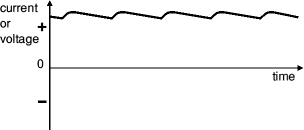
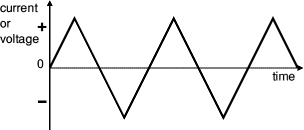
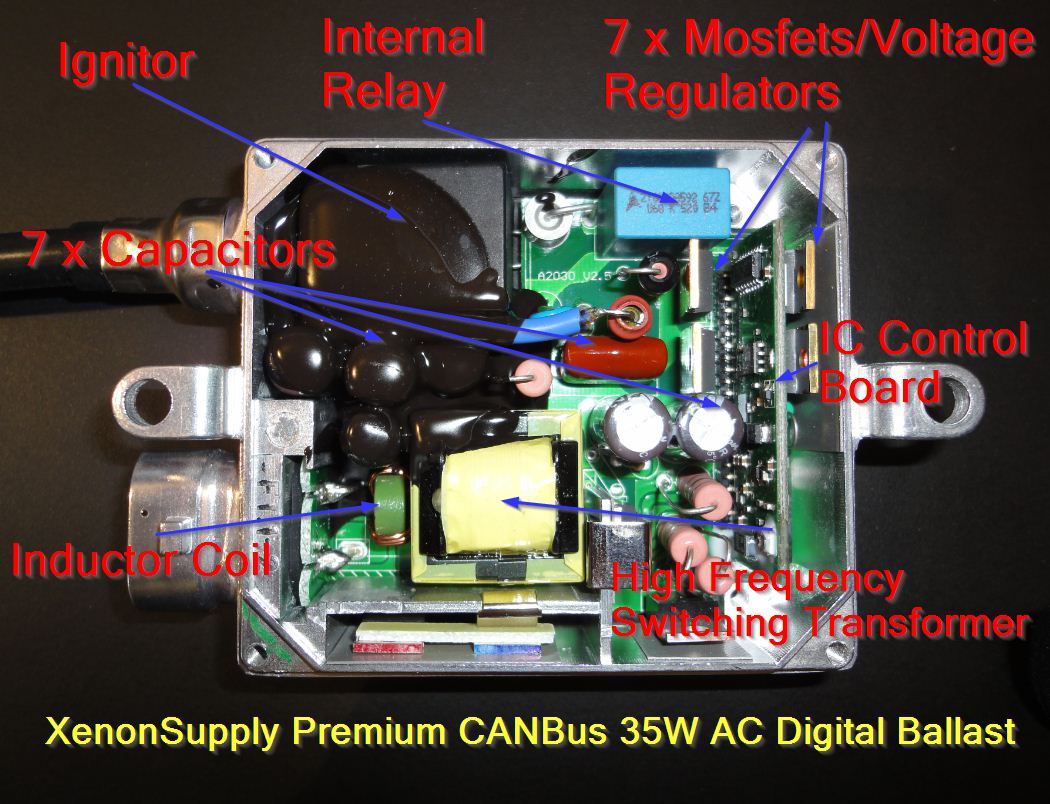
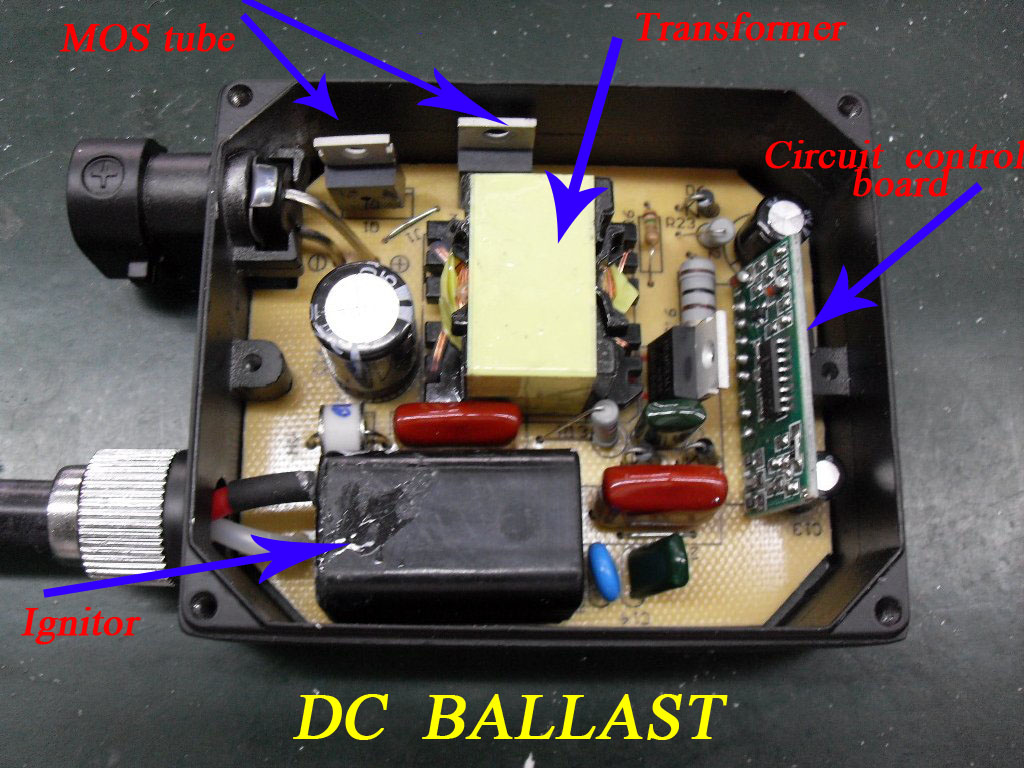
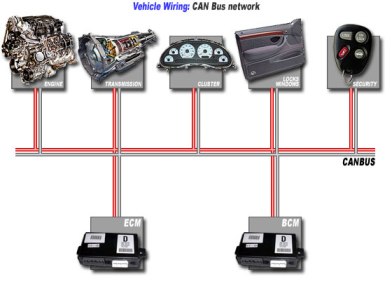
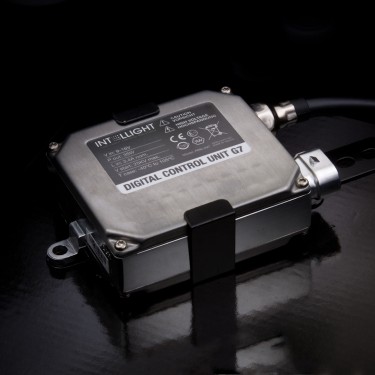
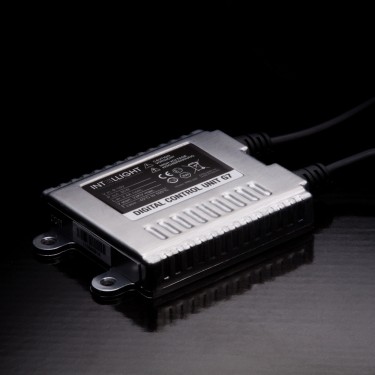
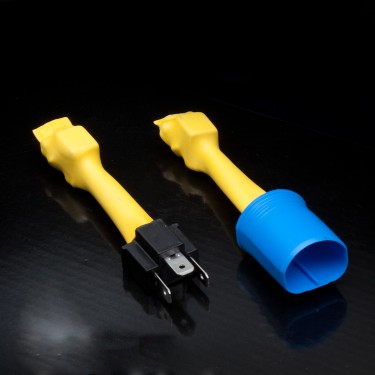
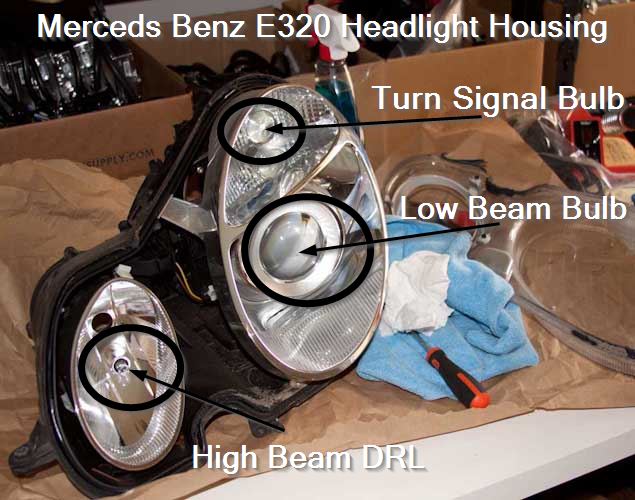
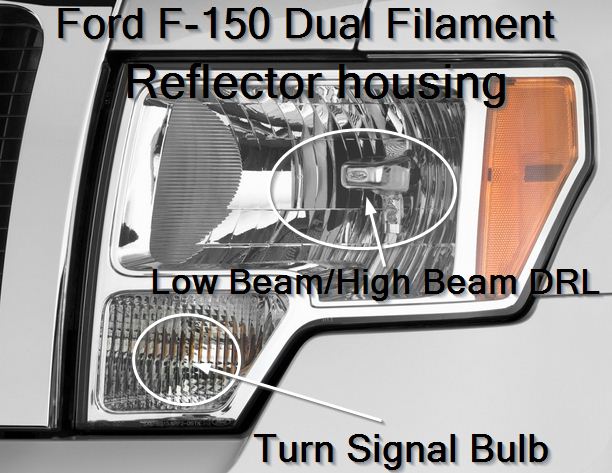
First, a few pictures for reference...
What is a Daytime Running Light?
Daylight Running Light (DRL) is an automotive light that automatically turns on when a vehicle is in motion (not in park). Typical DRLs emit an amber or yellow light to increase the vehicles visibility during daylight/dusk conditions. More commonly enforced in Northern regions with extended hours of dusk/dim lighting conditions. Canada, Scandinavia, and most European countries by law require the use of DRL lighting on all production vehicles as of 2011.
Why do U.S. vehicles have DRLs if they are not required by law?
Although US manufacturers are not required to build vehicles with DRLs, in an effort to lower overall production costs, most manufacturers have decided to use DRLs across the board to keep things simple and avoid production changes when shipping vehicles to overseas markets. Toyota/Lexus changed all vehicle production in 2006 to include DRL, and General Motors has used DRLs as early as 1995.
How do DRLs work/ are they implemented?
Daytime Running lights can be implemented in many ways. The most common method is to use the high beam light at half or quarter power consumption (8-25watts). Other common implementation includes using the low beam light at half or quarter power, as well as using the turn signal bulbs in the full on position. The newest implementation of DRL lighting is the use of LED lighting strips most commonly seen on late model Audi's, as well as other new model vehicles (i.e. Porsche, Mercedes, Lexus, Ford, etc).
Here’s the money question...
How does a DRL System affect my HID installation?
So it boils down to this. Why should I care, and is there a risk to installing HIDs in a vehicle equipped with DRLs? It Depends. Depends on where you plan to install the HIDs and how your DRL system is integrated into your vehicle.
Here are some scenarios:
I have DRLs on my high beam and want to install HIDs on my Low beams.
Go Ahead! DRLs on the high beam WILL NOT affect an aftermarket HID installation on your low beams, period. No questions asked, no need to worry. The high beam uses a separate electrical circuit and is independent of the low beam.
*Vehicles with Dual Filament lighting systems, H4, 9003, 9004, 9007, 9008 and H13 bulb types will require specific HID Harnesses to work properly... see below for more details.
I have low beam DRLs and want to install HIDs on my Low Beams
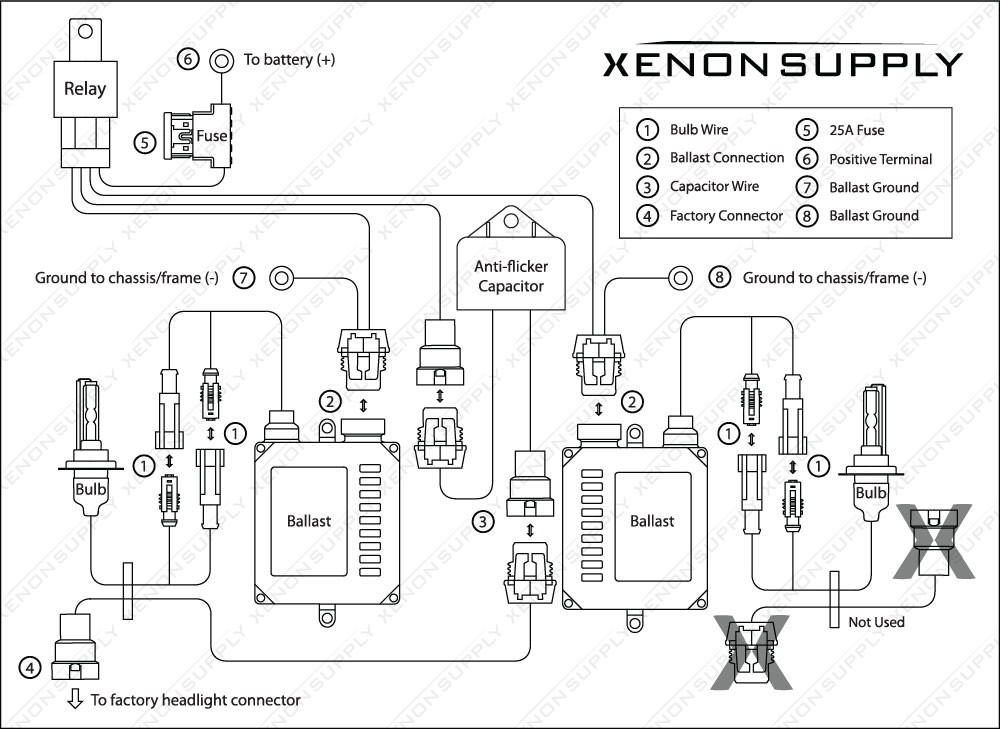
In order to install HIDs on a vehicle with low beam DRLs (i.e. 2008+ Mitsubishi lancers, 2000-2008 Toyota Corollas) you will require a specialized wiring harness to prevent HID flickering. This harness uses an capacitor to boost the DRL signal on the low beam during the day, to one usable by an automotive relay, that pulls power directly from the battery to your HID system. In this manner, your low beams become your DRLs during the day, as well as your low beam at night. This method allows you to safely install HIDs without breaking some country DRL mandates, as well as prevents warning lights from occurring on your dash related to DRLs. For more information on these types of harnesses and if you require them, visit the product page linked below or email us at help@xenonsupply.com.
XenonSupply DRL Bypass Wiring Harnesses Diagram
I have DRLs on my Dual Filament/Bi-Xenon HID system
Never fear; we can help you figure this one out! Dual Filament bulbs use one reflector housing, with a bulb that has two separate filaments in it to achieve the low beam light as well as the high beam light. When converting to HID, you normally use a Bi-Xenon HID bulb that performs the same low beam and high beam function in one bulb. If your DRL is on the low beam, it's no problem; you can convert safely to HID with a XenonSupply wiring harness and use HIDs without worries. If you are purchasing a XenonSupply HID kit, make sure to select the "DRL Capacitor (Canadian Spec)" and your unit will come preassembled for easy plug and play installation.
*If you have an existing Bi-Xenon installation that is having issues, you will need to purchase the DRL Bypass harness separately and replace your current Bi-Xenon harness to achieve the same results.
XenonSupply DRL Bypass Wiring Harnesses
As always, questions and comments can be left below or emailed to us at help@xenonsupply.com.
Cheers,
Phil and XS Team
Daytime Running Lights and HIDs explained...and then someWe get a lot of questions here about Daytime Running lights and how they can affect an HID installation. In order to address these questions, a blog posting seemed the best way to enlighten the HID DIY community and dispel as much myth and mystery as possible!
First, a few pictures for reference...

 DSP chips are used in variety of different products but can be found in guitar effect pedals, calculators, telecommunication systems, audio and video recording and playback, MP3 players, cell phones, sound cards, fax machines, digital TV’s, rockets, missiles, and spacecraft.

 Unfortunately, for all the naysayers out there, this is not a true statement. When HIDs were first introduced to the car market in the late 90's, they all came in a reflector housing. Case in point, the 2001-2003 Acura CL, 2001-2003 Lexus IS, GS, and LS series. Each of these vehicles used a D1/D2 series HID bulb in a reflector housing that controlled light output. These housings were designed with HID light output in mind and were designed with "glare caps" placed over the bulbs to control how light was emitted. Today, many manufacturers have adopted this type of "Glare Cap" for their own halogen housings, making them comparable to the above mentioned vehicles when converted to HID. The basis of the myth that reflector housings were never meant to be used with HIDs stems from the improper installation of HID kits in older vehicles that do not control light well and are not capable of minimizing glare from the additional light to oncoming traffic. This is not to say that all reflectors work well with HIDs; that would also be a false statement. Some reflectors work better than others and you just don't know how it will perform until you try.